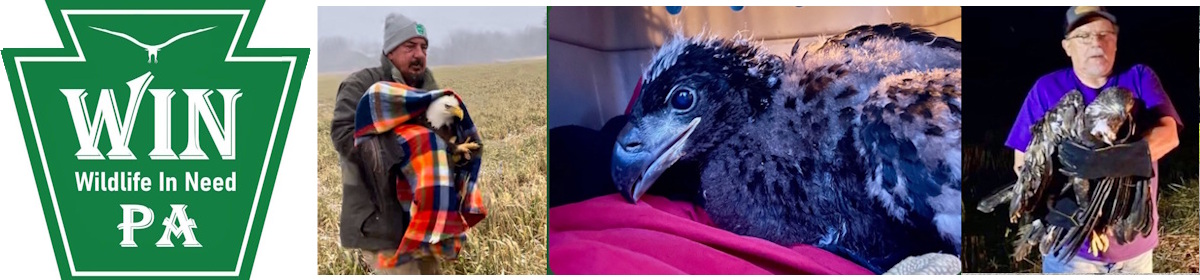
Finding a wild animal that appears injured, sick, or orphaned can be upsetting. Knowing when to intervene and when to leave an animal alone can make the difference between helping and unintentionally causing harm.
Not every animal found alone needs rescuing. Many young animals spend time without their parents nearby, and some behaviors that seem unusual are perfectly normal.
Does the Animal Need Help?
A wild animal may need professional assistance if it:
- Has visible wounds, bleeding, or an obvious injury.
- Has difficulty breathing, standing, walking, or flying.
- Is unusually weak, unresponsive, or unable to escape danger.
- Has flies, fly eggs, or maggots on its body.
- Has been caught by a cat or dog, even if no injuries are visible.
- Has been struck by a vehicle or suffered another known traumatic injury.
- Is a young animal whose parent is confirmed dead or that is clearly injured or in distress.
Being alone does not necessarily mean an animal is orphaned. Young rabbits, fawns, and fledgling birds are frequently mistaken for animals needing rescue.
When in doubt, contact a wildlife rehabilitator before intervening.
What Should You Do?
- Consider your safety first. Never attempt to handle an animal that could injure you. Rabies vector species, large mammals, birds with powerful talons or sharp beaks, and venomous snakes require special precautions and trained assistance.
- Contact a wildlife professional ⓘ
. Describe the animal, its location, behavior, and any visible injuries. Follow the instructions you receive before attempting capture. - Contain the animal only if it is safe and you have been advised to do so. For a small, non-dangerous animal, a ventilated cardboard box with a secure lid may be appropriate. Line the bottom with a smooth towel or other material that will not catch claws or toes.
- Keep the animal quiet. Place the closed container in a warm, dark, quiet location away from children and pets. Avoid unnecessary handling, noise, and repeated checking. Avoid overheating the animal.
- Do not offer food, water, or medication. Different species have very different needs. Feeding or giving water improperly can cause serious complications. Wait for instructions from a wildlife rehabilitator.
- Arrange professional care promptly. Wild animals can deteriorate quickly, even when injuries are not immediately apparent. Do not keep an injured animal at home to see whether it improves.
Important Safety Precautions
Never attempt to capture or handle bats, raccoons, skunks, foxes, woodchucks, coyotes, or other potentially rabies-exposed mammals without professional guidance.
If a person has been bitten, scratched, or may have had contact with a bat or another potentially rabid animal, contact a healthcare provider or the Pennsylvania Department of Health promptly. Wash bites or scratches thoroughly with soap and running water.
Do not release an animal involved in a possible rabies exposure until public health authorities have provided instructions.
Wildlife Laws in Pennsylvania
Pennsylvania wildlife is protected by state laws and regulations. Possessing, transporting, or rehabilitating wild animals may require authorization, and requirements vary by species and circumstances.
Wildlife rehabilitation should be performed by appropriately permitted professionals. Contact the Pennsylvania Game Commission or Pennsylvania Fish and Boat Commission for guidance when necessary.
Finding Help
Wildlife in Need Emergency Response of Pennsylvania (WIN)
Phone: 814-414-4224
8 a.m. to 6 p.m., most days
WIN helps connect the public with trained wildlife responders when assistance is available.
For a directory of Pennsylvania wildlife rehabilitators, visit the Pennsylvania Association of Wildlife Rehabilitators.
Help Prevent Wildlife Emergencies
Many wildlife injuries can be prevented through simple everyday choices:
- Keep domestic cats indoors or in secure outdoor enclosures.
- Drive cautiously, particularly around dawn and dusk.
- Remove discarded fishing line, hooks, and other litter.
- Use bird-friendly window treatments to reduce collisions.
- Keep bird feeders clean to reduce disease transmission.
- Avoid using lead ammunition and fishing tackle where nonlead alternatives are available.
- Check for wildlife before mowing, trimming vegetation, or removing trees.
Wild animals play important roles in maintaining healthy ecosystems. Whenever possible, our goal should be to protect them in their natural environment and intervene only when necessary.