Pennsylvania’s lakes, rivers, ponds, streams, and wetlands provide habitat for many species of waterbirds. These include ducks, geese, swans, herons, egrets, loons, grebes, and other birds that depend on aquatic environments.
Some waterbirds nest on the ground, others nest in trees, and many raise young that can swim shortly after hatching. Understanding their natural behavior can help determine when intervention is necessary.
Ducks and Ducklings
When to leave them alone: Adult ducks resting near ponds, feeding on lawns, or walking across roads are often behaving normally. Female ducks may nest in gardens, landscaping, or other locations away from water.
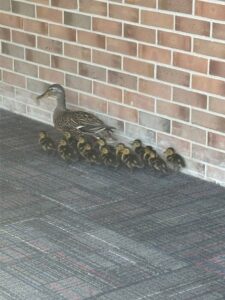
Ducklings usually leave the nest shortly after hatching and follow their mother to water. A group of ducklings traveling with an adult should not be disturbed, even if they must cross a road or walk through a developed area.
 When they need help: Ducklings that are trapped in storm drains, swimming pools, window wells, or other structures may need assistance. A duckling that is injured, weak, cold, or separated from its mother may also require help.
Adult ducks with visible injuries, fishing-line entanglements, or difficulty walking or flying need professional assessment.
What to do: Keep people and pets away from a duck family and allow the mother to lead her young. If the birds must cross a roadway, contact local authorities if traffic control is necessary.
If ducklings are trapped or separated from their mother, contact WIN or a wildlife professional for advice before attempting to collect them. Reuniting ducklings with their mother is preferable whenever it can be done safely.
Do not place orphaned ducklings in a pond and leave them unattended. Young ducklings depend on their mother for protection, warmth, and guidance.
Good to know: Most ducklings are precocial, meaning they hatch with down feathers, open eyes, and the ability to walk and swim. Although they can swim, they are not yet fully independent and still require parental care.
Wood Ducks
When to leave them alone: Wood ducks commonly nest in tree cavities or specially constructed nest boxes, sometimes at considerable heights above the ground. Shortly after hatching, the ducklings jump from the nest cavity and follow their mother to water.
Seeing tiny ducklings jumping from a tree is normal behavior and does not mean they are falling accidentally.
When they need help: A duckling that becomes trapped inside a nest box, is injured during its descent, or becomes separated from its mother may need assistance.
What to do: Do not interrupt a normal nest departure. Keep people and pets away and allow the mother to gather her ducklings.
If a duckling is left behind, trapped, or visibly injured, contact a wildlife professional promptly. Reunification may be possible, but timing is important.
Good to know: Wood ducklings use their sharp claws to climb toward the entrance of their nest cavity. Their lightweight bodies allow them to make remarkable jumps to the ground, after which they follow their mother to water.
Canada Geese and Goslings
When to leave them alone: Canada geese commonly nest near ponds, lakes, parking lots, and 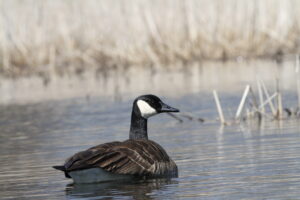 landscaped properties. Adults may hiss, spread their wings, or charge when people approach their nests or young. This is normal defensive behavior.
Goslings travel with their parents and may spend considerable time grazing on lawns and other grassy areas away from water.
When they need help: Geese may become entangled in fishing line, injured by vehicles, or trapped in fencing and other structures. Goslings that are injured, weak, or separated from their family may also need help.
What to do: Give nesting geese and families plenty of space. Never attempt to chase, grab, or separate goslings from their parents.
If a goose is entangled or injured, contact WIN or another wildlife professional. Adult geese are powerful birds and can cause injury when frightened or restrained.
If a gosling appears orphaned, observe from a safe distance and seek advice before intervening. The parents may be nearby or temporarily out of view.
Good to know: Canada geese form strong family bonds, and both parents typically participate in protecting their young. Families may remain together for months after the goslings hatch.
Swans
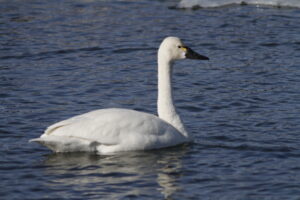 When to leave them alone: Swans may be seen swimming, feeding, resting along shorelines, or protecting nesting territories. A swan defending its nest or young is displaying normal behavior.
When they need help: A swan that is entangled in fishing line, visibly injured, unable to move normally, or trapped in a dangerous location requires professional attention. Young swans, called cygnets, may also need help if injured or genuinely separated from their parents.
What to do: Never attempt to capture or restrain a swan yourself. Swans are large, powerful birds that can injure people while defending themselves.
Keep people and pets away and contact WIN or the Pennsylvania Game Commission for guidance.
Good to know: Pennsylvania may have several swan species, including native tundra swans and introduced mute swans. Trumpeter swans may also occur. Their appearance, migration patterns, and nesting behavior differ by species.
Herons and Egrets
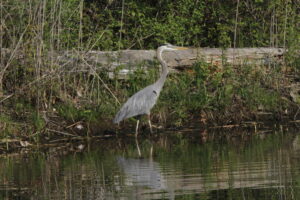 When to leave them alone: Herons and egrets often stand motionless in shallow water while hunting fish, frogs, and other aquatic animals. Their slow movements and long periods of inactivity are normal.
Young herons may be seen near nesting colonies or perched in trees as they develop their flying abilities.
When they need help: A heron or egret that is entangled in fishing line, has a visible injury, cannot stand or fly normally, or is trapped in a dangerous location needs professional assistance.
What to do: Never attempt to handle a heron or egret yourself. These birds have long, powerful, sharply pointed bills and can inflict severe injuries, particularly to the face and eyes.
Keep a safe distance, prevent pets and bystanders from approaching, and contact WIN or an appropriately trained wildlife professional.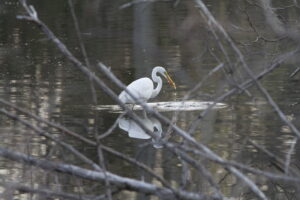
Good to know: Great blue herons, green herons, and great egrets are among the wading birds found in Pennsylvania. Their specialized bills and long necks allow them to capture fish and other prey with remarkable speed.
Loons and Grebes
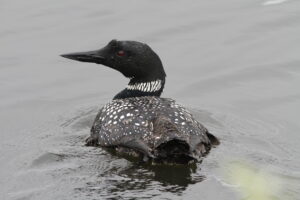 When to leave them alone: Loons and grebes are diving birds that spend much of their time on the water. They may be seen resting, swimming, or diving repeatedly while feeding.
When they need help: A loon or grebe found stranded on a road, parking lot, lawn, or other dry surface may be unable to take flight. These birds have legs positioned far back on their bodies, making movement on land difficult.
They may mistake wet pavement or other reflective surfaces for water and land where they cannot take off again. Fishing-line entanglement, hook injuries, and other trauma are also reasons for concern.
What to do: Do not attempt to chase the bird, force it to walk, or release it into nearby water without professional assessment.
Loons have sharp, pointed bills and can cause serious injury when handled. Contact WIN or a wildlife professional for safe rescue instructions.
Good to know: Loons and grebes are highly adapted for swimming and diving. Their body structure makes them efficient underwater hunters but comparatively awkward on land. A bird that appears helpless on dry ground may be physically unable to launch into flight from that location.
Fishing Line, Hooks, and Other Entanglements
Discarded fishing line, hooks, and other debris pose serious hazards to waterbirds. Birds may become entangled around their legs, wings, necks, or bills. Fishing hooks can become 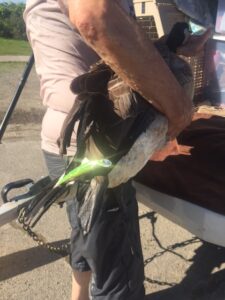 embedded in their bodies or swallowed.
When they need help: Any bird with fishing line wrapped around its body, a visible embedded hook, or restricted movement caused by entanglement needs professional assessment.
What to do: Do not pull on fishing line or attempt to remove an embedded hook. The line may be cutting into tissue or attached to a swallowed hook, and pulling can cause additional injury.
If the bird is mobile or in the water, do not chase it into deeper water or traffic. Record its location and contact WIN or a wildlife professional.
Good to know: Proper disposal of fishing line and tackle helps prevent wildlife injuries. Never leave discarded line along shorelines, docks, or fishing areas.
Need Help With a Waterbird?
If you find a waterbird that appears injured, sick, trapped, or genuinely orphaned, contact Wildlife in Need Emergency Response of Pennsylvania (WIN) at 814-414-4224, between 8 a.m. and 6 p.m., most days.
Keep people and pets away from the animal. Do not offer food, water, or medication, and do not attempt to release a stranded or injured bird into water without professional guidance.
For general information about recognizing wildlife emergencies and safely assisting injured animals, visit our Wildlife Rescue Guidelines page.