Rabies vector species (RVS) are mammals that are more commonly associated with rabies infections in Pennsylvania. The Pennsylvania Game Commission specifically designates these species as rabies vector species, requiring special precautions and handling procedures.
Although most individual animals are not infected, all RVS should be treated with caution because of the potential risk of rabies transmission.
Rabies is a viral disease that affects the nervous system and can be transmitted to people and other mammals through exposure to infectious saliva or nervous tissue. Once clinical symptoms appear, rabies is fatal. However, prompt medical treatment following a potential exposure can prevent the disease from developing.
In Pennsylvania, the wildlife species of particular concern include raccoons, skunks, foxes, coyotes, groundhogs, and bats.
Never attempt to capture, handle, or transport a rabies vector species without professional guidance. This includes young animals that appear healthy, injured animals, and animals that seem unusually friendly or approachable.
Important Rabies Safety Information
Rabies cannot be diagnosed by an animal’s appearance or behavior alone. An infected animal may act aggressively, appear unusually tame, become disoriented, have difficulty moving, or show other neurological signs. Some infected animals show few obvious symptoms.
Being active during the day does not automatically mean an animal has rabies. Raccoons, foxes, and skunks may be seen during daylight hours for perfectly normal reasons, particularly when they are caring for young.
If you have been bitten or scratched by a potentially rabid mammal, immediately wash the wound thoroughly with soap and running water and seek medical advice promptly. Report potential rabies exposures to the Pennsylvania Department of Health, (877)PAHEALTH, or the appropriate local health department.
Contact a healthcare provider or public health authority promptly if you awaken to find a bat in a room where you were sleeping, or if a bat may have had contact with a child or someone unable to reliably describe an exposure. Bat bites can be difficult to recognize.
Do not release an animal involved in a possible human rabies exposure. Contact public health authorities for instructions. They will determine whether testing, observation, or other measures are necessary.
Keep children and pets away from any animal suspected of having rabies. Do not attempt to corner, chase, or capture it.
Bats
When to leave them alone: A bat flying outdoors at dusk or after dark is usually behaving normally. Bats are important insect predators and should not be disturbed unnecessarily.
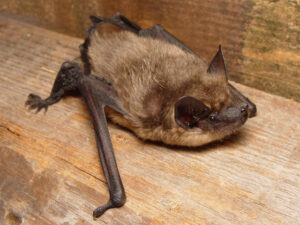
When they need help: A bat found on the ground, unable to fly, injured, or trapped inside a building may need professional assistance. A bat found in a room with a sleeping person, unattended child, or someone unable to report contact also requires prompt evaluation of possible human exposure.
What to do: Never handle a bat with bare hands. Keep people and pets away, close interior doors if a bat is confined to a room, and contact a wildlife professional for instructions. If human exposure may have occurred, contact public health authorities before allowing the bat to escape or releasing it.
Good to know: Pennsylvania is home to several bat species. Most are active at night and feed on insects. Bats may roost in trees, buildings, caves, and other sheltered locations. A bat found alone is not necessarily sick, but one that can be approached or picked up requires caution.
Coyotes
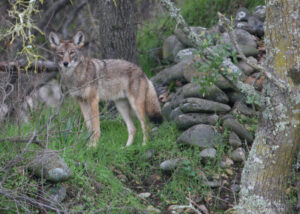 When to leave them alone: Coyotes are established throughout Pennsylvania and may be seen during the day or night. Seeing a coyote crossing a yard, field, or road does not necessarily indicate a problem.
When they need help: A coyote that appears injured, is unable to move normally, shows neurological symptoms, or behaves in a way that presents an immediate threat to people or pets requires professional attention. Orphaned pups need immediate attention.
What to do: Do not approach, feed, or attempt to capture a coyote. Bring pets indoors and keep people at a safe distance. Contact a wildlife professional ⓘ for guidance concerning a sick, injured, or dangerously behaving coyote.
Good to know: Coyotes are adaptable predators and scavengers that help regulate populations of rodents and other small animals. They generally avoid people, but feeding coyotes or leaving pet food outdoors can encourage unwanted interactions.
Foxes
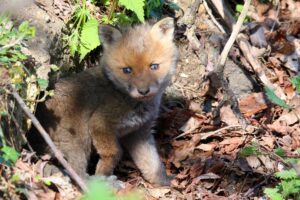
When to leave them alone: Adult foxes may hunt during daylight hours, especially when feeding their young. Fox kits may play near a den while their parents are away hunting. These behaviors are normal and do not necessarily indicate that the animals need rescue.
When they need help: A fox that is injured, unable to move normally, showing neurological symptoms, or behaving in a manner that threatens public safety needs professional assessment. Young foxes may require help if their mother is confirmed dead, they are injured, or there is clear evidence that they have been abandoned.
What to do: Do not touch or attempt to capture a fox or its kits. Keep pets and children away from the den area. Contact a wildlife professional ⓘ for advice if you believe intervention is necessary.
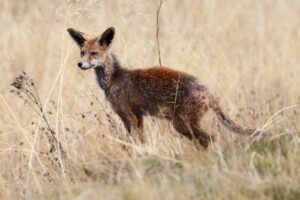 To avoid disrupting family units, WIN does not attempt to trap foxes with mange until September.
Good to know: Both red and gray foxes live in Pennsylvania. Fox parents may move their young between den sites as the kits develop. Seeing young foxes without an adult nearby is not, by itself, evidence of abandonment.
Groundhogs
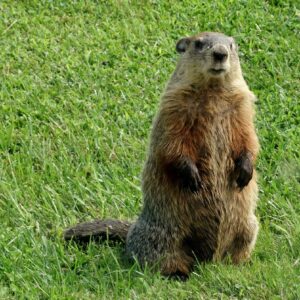
When to leave them alone: Groundhogs are commonly seen feeding in lawns, gardens, and fields during daylight hours. Young groundhogs may emerge from their burrows and explore while remaining under their mother’s care.
When they need help: A groundhog that has been struck by a vehicle, is visibly injured, cannot move normally, or shows signs of serious illness requires professional advice. Young groundhogs may need assistance when their mother is confirmed dead, or they are clearly injured or distressed.
What to do: Do not attempt to pick up or capture a groundhog. Their strong teeth can cause serious bites. Keep people and pets away and contact a wildlife professional ⓘ
.
Good to know: Groundhogs are members of the squirrel family and spend much of their lives in underground burrows. They are true hibernators and normally become much less active during winter.
Skunks
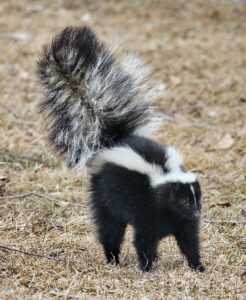
When to leave them alone: Skunks are primarily nocturnal, but they may be active during daylight hours, especially when caring for young. Baby skunks may occasionally be seen exploring near a den.
When they need help: A skunk that is injured, trapped, unable to move normally, showing neurological symptoms, or clearly orphaned may require professional assistance.
What to do: Do not approach or attempt to capture a skunk, including a baby. Skunks can bite and spray when frightened. Keep children and pets away and contact a wildlife professional ⓘ for instructions.
Good to know: Skunks consume insects, grubs, small animals, and other foods. Their defensive spray is highly effective, but they generally prefer to avoid confrontation and may give warning signals before spraying.
Raccoons
When to leave them alone: Raccoons may be active during the day, particularly mothers searching for food for their young. Baby raccoons may be heard vocalizing in tree cavities, attics, or other den sites while their mother is away.
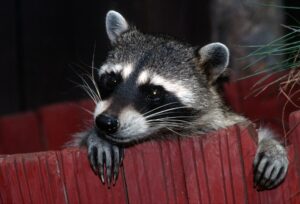
When they need help: A raccoon that is visibly injured, unable to move normally, showing neurological symptoms, or trapped in a dangerous location needs professional assessment. Young raccoons may require assistance if their mother is confirmed dead, they are injured, or they have been displaced and cannot safely be reunited.
What to do: Never handle a raccoon or its babies without professional guidance. Do not attempt to feed, capture, or relocate them. Keep pets and children away and contact a wildlife professional ⓘ experienced with rabies vector species.
Good to know: Raccoons are intelligent, adaptable mammals that use tree cavities, hollow logs, and sometimes buildings as den sites. Mothers frequently move their young when a den is disturbed. Young raccoons found alone are not necessarily orphaned.
When a Rabies Vector Species Needs Rescue
Because of the potential for rabies exposure, the capture and transport of these animals require additional precautions. WIN may be able to arrange assistance when an appropriately trained and rabies-vaccinated responder is available.
Do not attempt to rescue the animal yourself unless you have received specific instructions from an appropriate wildlife professional or authority.
Wildlife in Need Emergency Response of Pennsylvania (WIN)
Phone: 814-414-4224
8 a.m. to 6 p.m., most days
For general guidance about injured or orphaned wildlife, see our Wildlife Rescue Guidelines.