Pennsylvania is home to a variety of native reptiles, including snakes and turtles. These animals play important roles in maintaining healthy ecosystems, but they are frequently misunderstood and sometimes injured unnecessarily.
Reptiles are ectothermic, meaning they depend on external sources of heat to regulate their body temperature. Basking in sunlight, resting on roads, and moving between habitats are normal behaviors that do not necessarily indicate an animal needs help.
Snakes
When to leave them alone: A snake basking in the sun, moving through a yard, resting beneath landscaping, or crossing a trail is usually behaving normally. Snakes are important predators that help control populations of rodents and other small animals.
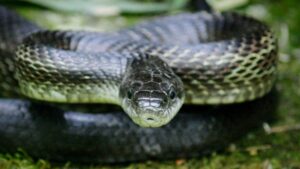
Most snakes encountered in Pennsylvania are nonvenomous and generally attempt to escape when given the opportunity. Even venomous snakes typically bite in self-defense rather than pursuing people.
When they need help: A snake that has been struck by a vehicle, caught in landscape netting, injured by lawn equipment, trapped in a structure, or visibly wounded may need professional assistance.
A snake that appears unable to move normally or has obvious swelling, bleeding, or exposed tissue also requires assessment.
What to do: Do not attempt to catch, pick up, pin down, or kill a snake. Keep children and pets away and allow a healthy snake to move away on its own.
Pennsylvania has three native venomous snake species: the timber rattlesnake, eastern massasauga, and northern copperhead. Do not rely on head shape, pupil shape, or color alone to determine whether a snake is venomous. These characteristics can be misleading.
If a snake is injured, entangled, or trapped, contact WIN or a wildlife professional for guidance. Do not attempt to cut netting away from a snake or free it from a trap yourself.
If someone is bitten by a snake suspected of being venomous, seek emergency medical care immediately. Do not apply a tourniquet, cut the wound, attempt to suck out venom, or try to capture the snake.
Good to know: Pennsylvania’s native snakes include garter snakes, rat snakes, watersnakes, milk snakes, and several other species. Snakes are generally shy animals that use camouflage and concealment to avoid danger. Their presence is often an indication of suitable habitat and available prey.
Turtles
When to leave them alone: Turtles are frequently seen crossing roads, moving through lawns, or traveling between ponds and wetlands. Female turtles may travel considerable distances from water to find suitable nesting locations.
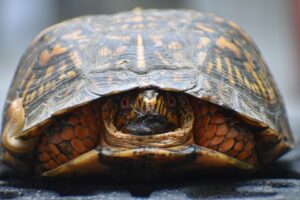
A turtle walking away from a pond is not necessarily lost or stranded. It may be searching for a nesting site or moving between habitats.
When they need help: A turtle that has been struck by a vehicle, has a cracked or bleeding shell, is entangled in fishing line, has been injured by lawn equipment, or is unable to move normally needs professional attention.
Even a turtle with a severely damaged shell may survive with appropriate veterinary and rehabilitation care. Shell injuries should never be dismissed as hopeless without professional assessment.
What to do: If a healthy turtle is crossing a road and you can assist without putting yourself or others in danger, move it to the side of the road in the direction it was already traveling. Never turn it around or relocate it to a different area.
Do not attempt to help a turtle if doing so would require entering dangerous traffic.
Never lift a turtle by its tail. This can cause serious injuries to the spine and surrounding tissues.
Snapping turtles require particular caution. They have powerful jaws and long, flexible necks and can cause severe bites. Do not attempt to pick up or restrain a snapping turtle without appropriate training.
If a turtle is injured, contact WIN or a wildlife professional for instructions. Do not attempt to repair its shell with glue, tape, or other household materials.
When rescuing a turtle, record the exact location, including GPS coordinates if available. This will help return the turtle to its home territory once it’s ready for release.
Good to know: Pennsylvania’s turtles include painted turtles, snapping turtles, musk turtles, wood turtles, and eastern box turtles. Some species spend much of their lives in water, while others are primarily terrestrial.
Many turtles have strong attachments to their home ranges. Relocating them to unfamiliar locations can expose them to hazards and interfere with their ability to find food, shelter, and suitable nesting sites.
Turtle Nests and Hatchlings
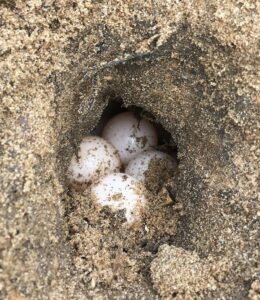
When to leave them alone: Female turtles typically dig nests in soil, sand, or gravel and leave their eggs to develop without parental care. Finding a turtle nest without an adult nearby is completely normal.
Newly hatched turtles may emerge from nests and travel toward water or suitable cover. These movements are part of their natural development.
When they need help: Turtle eggs that have been accidentally dug up or exposed by construction, landscaping, or other disturbances may need professional guidance. Hatchlings that are injured, trapped, or unable to reach suitable habitat may also require assistance.
What to do: Do not dig up, rotate, or relocate turtle eggs. Once development has begun, changing an egg’s orientation can harm the developing embryo.
If a nest has been disturbed, contact WIN or a wildlife professional for instructions before moving the eggs.
Healthy hatchlings should generally be allowed to travel on their own. If they face an immediate hazard, seek advice about whether intervention is appropriate.
Good to know: Turtle eggs incubate in the ground, and incubation times vary by species and environmental conditions. In many turtle species, nest temperature influences the sex of the developing young.
Important Reptile Safety Information
Wild reptiles can bite when frightened or restrained. Some turtles and snakes are capable of inflicting serious injuries.
Reptiles may also carry Salmonella bacteria even when they appear healthy. Wash your hands thoroughly after any contact with a reptile or its environment, and never allow children to handle injured wildlife.
Do not attempt to feed an injured reptile, give it medication, or release it into an unfamiliar location.
Need Help With a Reptile?
If you find a snake or turtle that appears injured, trapped, or in immediate danger, contact Wildlife in Need Emergency Response of Pennsylvania (WIN) at 814-414-4224, between 8 a.m. and 6 p.m., most days.
For general information about recognizing wildlife emergencies and safely assisting injured animals, visit our Wildlife Rescue Guidelines page.